Zero-Based Budgeting for Beginners: Complete Step-by-Step Guide (Free Template)
Learn zero-based budgeting in plain language, where every dollar gets a job until income minus spending equals zero, with simple beginner steps.
By BudgetCalm Editorial Team · Updated June 22, 2026 · 6 min read

Zero-based budgeting sounds like something an accountant invented to ruin your evening, but the idea underneath it is plain: every pound you earn gets handed a job until none of it is left wandering around unplanned. That doesn't mean spending the lot — saving is a job too. People who like the method tend to be the ones who want to see exactly where their money goes, down to the last pound.
The idea in one line
Take your monthly income, give every pound a category — bills, food, savings, the fun stuff — until income minus everything you've assigned comes to zero. The aim is intentional spending, not an empty account. Done well, it shows you precisely where the money goes and takes the edge off that "where did it all disappear to" feeling. As with anything, it works as well as you keep it up.
Why "every pound" is the whole trick
Plenty of budgets fall over because they track the big bills and then lump everything else into a vague "spending money" pile. That pile is where budgets go to die. Zero-based budgeting closes the gap by making you decide on every pound, not just the obvious ones. That single act of deciding is often what turns a budget from a hopeful wish into something that actually holds. It also makes the money for your savings goals far easier to find.
The method suits beginners whose money feels directionless and who'd rather have a hands-on system than an app deciding for them. It's happiest with a steady income, though you can bend it to a variable one. No software needed — a notebook or a simple sheet does the job.
Start with what actually lands in your account
Use your real take-home pay, the figure that hits your bank, not the headline salary. If your income wobbles month to month, build the plan around a lower expected amount so you're not handing out pounds that may never turn up.
List everything, then give each line a number
Write out every category you have: rent, utilities, food, transport, savings, the minimum on any debts, and the flexible odds and ends. Put a pound figure against each one. Keep going until every pound from your income has somewhere to be. This is the part that feels slow the first time and quick by the second.
Get to zero, then keep nudging
Add it all up. Money left over? Give it a job — savings, or a goal you're chasing. Over your income instead? Trim the flexible categories until income minus assignments lands on zero. Then, through the month, move money between categories as real life does what it does. Shuffling pounds around isn't cheating; it's the method working.
A real month, with rough numbers
Real-life example
Say someone takes home about £2,000. They assign £900 to rent and utilities, £350 to food, £150 to transport, £200 to savings, £150 to phone and subscriptions, and £250 to flexible spending. That comes to £2,000 — the budget hits zero. Midway through the month a £40 transport saving turns up, so they move it straight into savings. Rounded, made-up numbers, and your categories will look nothing like these, but the every-pound logic is the bit that matters.
Where good intentions go wrong
- Leaving a leftover pile. Unassigned money has a way of evaporating. Give it a job.
- Forgetting the irregular bills. Set aside a small amount each month for annual or surprise costs.
- Setting categories too tight. Limits you can't live with are limits you'll abandon.
- Never adjusting. Moving money between categories is allowed — expected, even.
- Confusing zero with empty. The goal is a planned pound, not a bare account.
Your one-page plan
Simple checklist
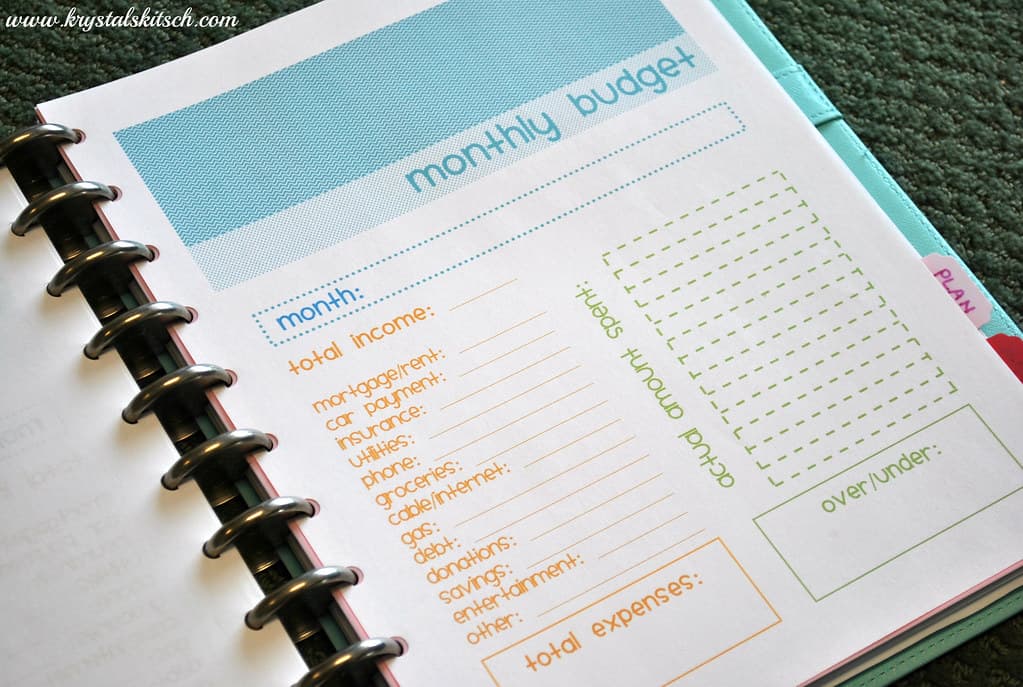
A printable monthly budget checklist can keep this routine on track.
One honest caveat
When to be careful
Zero-based budgeting wants regular check-ins, and in a busy stretch that can feel like one chore too many. If the level of detail starts to stress you out, a simpler approach might genuinely suit you better. This article is educational only and doesn't replace advice tailored to your own finances.
Questions people actually ask
Does zero-based budgeting mean I spend all my money?
No. Savings, goals, even a plain buffer all count as jobs for your pounds. Reaching zero means everything's been planned for — not that your account is sitting empty.
Is it harder than other budgets?
It takes a bit more time up front, because you're deciding on every pound. Most people find it speeds up after a month or two, once their categories settle into a shape.
Can I use it with an irregular income?
Yes. Base the plan on a lower expected amount and adjust as the money actually arrives. Our guide on budgeting with changing income digs into this further.
Try it for one month
Zero-based budgeting hands beginners a clear, deliberate way to run their money: give every pound a job until you reach zero. Give it a single month before you decide whether it fits. If you'd like something gentler, weigh it against the 50/30/20 budget rule explained simply, or browse more in Budgeting.
The BudgetCalm Editorial Team creates beginner-friendly educational guides about everyday money saving, budgeting, frugal living, and simple household financial habits. Our content avoids risky financial advice and focuses on practical, everyday decisions.
Last updated: June 22, 2026
Disclaimer: This content is for educational and informational purposes only and does not constitute financial advice. Always consult a qualified financial professional before making financial decisions.
Related guides
Keep exploring
These internal links help visitors move from one useful page to the next.
Get the free beginner budget checklist
A simple printable checklist to help you track spending, plan bills, and start saving without stress.
No spam. Educational money-saving tips only.