The Monthly Budget Checklist for Beginners (Free Step-by-Step Guide)
A simple monthly budget checklist for beginners that can help you set up, run, and review your budget step by step so nothing important gets missed.
By BudgetCalm Editorial Team · Updated June 22, 2026 · 6 min read

Most budgets don't fail because someone lacks willpower. They fail because a single thing got forgotten — the annual bill nobody saw coming, the savings that never got moved across. Do the same handful of steps in the same order every month and that forgetting mostly stops. A checklist isn't exciting. It just quietly stops the month from going sideways.
The short version
Same steps, every month: check what actually lands in your account, list the fixed bills, plan the flexible stuff, move savings across early, leave room for irregular costs, then look back at how last month went. Work through it in order and nothing slips. After a few rounds it stops feeling like work and starts feeling like a habit — though the categories you use will be yours, not anyone else's.
You don't need much to begin. Your income and a rough idea of your bills will do, and the checklist sits happily alongside whatever budgeting method you already use.
Build it at the start of the month
Start with the money that genuinely reaches you, not the headline figure on your contract. List the bills that turn up whether you like it or not. Then plan rough amounts for the flexible categories — food, fun, the bits that flex with your week. Decide on a savings figure here too, and move it across early rather than hoping there's something left at the end. There rarely is.
Leave room for the awkward bills
This is the step almost everyone skips. Set aside a small amount each month for the costs that don't arrive monthly — the annual subscription, a birthday, the car needing something. They're the items that quietly blow a plan apart, precisely because nobody budgeted for them. Give each one a line and a few pounds, and they stop being a shock.
Look back before you start again
At month-end, put what you planned next to what you actually spent. Don't grade yourself. Just notice the surprises, nudge next month's numbers, and carry on. This is the part that turns one good budget into an ongoing one, and it's also the part people drop first. Keep it.
A real month, with rough numbers
Real-life example
Picture someone running the checklist for the first time. Take-home of £2,000, fixed bills of £1,100, £500 set aside for flexible spending, £200 straight into savings, and £50 tucked away for irregular costs and the odd gift. Come month-end they look back and find food ran £40 over — so they lift that category a little and trim another to match. The figures are rounded and made up to show the shape of it; yours will look different. The routine, though, is the same one every time.
Where good plans quietly fall apart
- Skipping the look-back. Miss it and you repeat the same mistake every month without ever spotting it.
- Pretending irregular costs don't exist. Annual and surprise bills need their own line. They always come.
- Saving whatever's left. There's never anything left. Move it first.
- Rebuilding from scratch each month. Small tweaks beat starting over, and they're far less tiring.
- Keeping it all in your head. A checklist only works if you actually work through it.
Your one-page monthly plan
Simple checklist
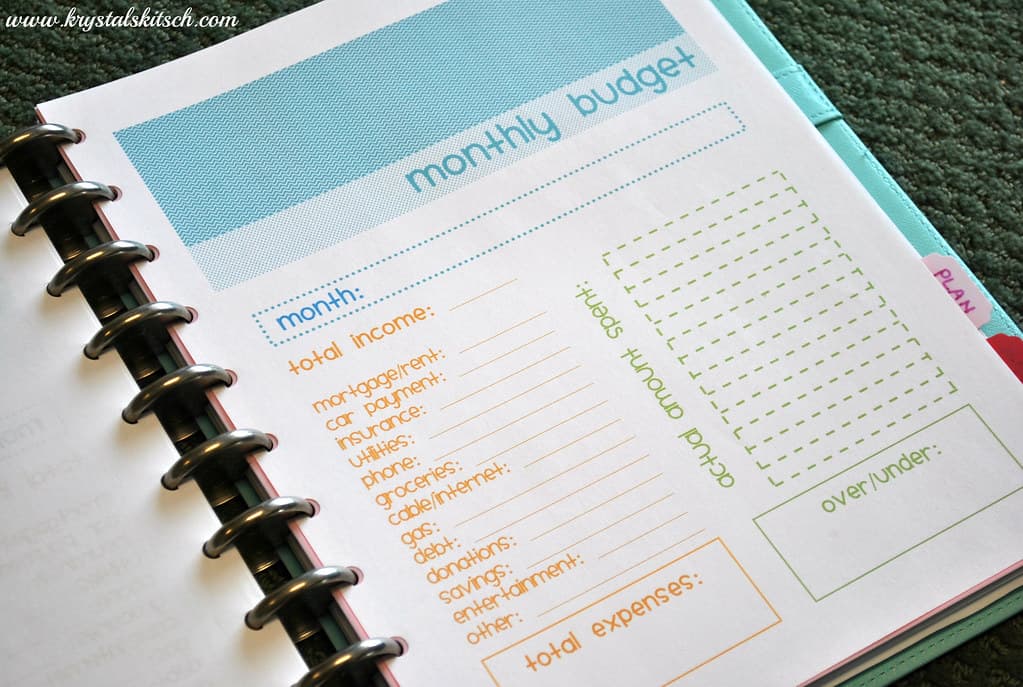
Want one ready to print and stick on the fridge? Grab the monthly budget checklist tool.
One honest caveat
When to be careful
A checklist organises your budget. It can't make essentials affordable when your income simply doesn't cover them. If the numbers never balance no matter how you arrange them, that's not a budgeting problem to fix with another line item — look at the bigger picture and any support you can reach. This guide is educational only and isn't personalised financial advice.
Questions people actually ask
How often should I use the checklist?
Twice. Once at the start of the month to set things up, once at the end to look back. A few people add a quick midmonth glance to catch trouble early, but that's optional.
Does the checklist replace a budgeting method?
No, and it isn't meant to. Run it alongside whatever you already use — the 50/30/20 rule, zero-based budgeting, whatever. Its only job is making sure you don't skip a step.
What's the step people skip most?
The end-of-month review, without question. It's also the most useful one, because it's the only place you actually learn what to change.
Start with one month
You don't need this to be perfect on the first go. Run it once, see what you forgot, and the second month will already be smoother. To build the plan underneath it, see the beginner monthly budget plan, or browse more in Budgeting.
The BudgetCalm Editorial Team creates beginner-friendly educational guides about everyday money saving, budgeting, frugal living, and simple household financial habits. Our content avoids risky financial advice and focuses on practical, everyday decisions.
Last updated: June 22, 2026
Disclaimer: This content is for educational and informational purposes only and does not constitute financial advice. Always consult a qualified financial professional before making financial decisions.
Related guides

Keep exploring
These internal links help visitors move from one useful page to the next.
Get the free beginner budget checklist
A simple printable checklist to help you track spending, plan bills, and start saving without stress.
No spam. Educational money-saving tips only.