
9 Monthly Budget Mistakes Beginners Make (And Simple Fixes for 2026)
The most common monthly budget mistakes beginners make and simple fixes that can help your budget stick instead of falling apart after the first week.
By BudgetCalm Editorial Team · Updated June 22, 2026 · 6 min read

You build the budget on a Sunday, feel briefly invincible, and by the following weekend it's quietly fallen apart. Sound familiar? It's almost never a discipline problem. It's usually one or two faults built into the plan from the start — small, avoidable, and easy to spot once you know what they look like. Catch them early and the budget has a real chance of lasting past week one.
The short version
The usual culprits: budgeting your gross pay instead of what actually arrives, forgetting the bills that don't come monthly, making the whole thing so strict it's joyless, never checking what you really spent, and leaving no savings or buffer for when life happens. Each one sets the plan up to topple. The fix, in nearly every case, is being honest rather than hopeful.
You don't need any apps or tools to get value from this — just a willingness to look at your real spending instead of the tidy version in your head. And there's a quieter reason it matters: a budget that collapses after a week doesn't just waste an afternoon. It convinces people they're hopeless with money, when really the plan was just unrealistic.
Use real numbers, not hopeful ones
Build on the money that actually lands in your account, and use what you genuinely spent last month — not the leaner, better-behaved version you'd like to spend. A plan built on hopes breaks the first time real life turns up.
Make room for irregular bills and a bit of fun
Set aside small monthly amounts for the annual bills, the repairs, the birthdays. Left out, they detonate the whole plan in a single week. And budget some fun, genuinely. A plan with zero enjoyment baked in is a plan you'll resent, and resentment is how budgets die.
Track gently, and adjust without the guilt
Put your spending next to the plan and treat any overspend as information, not a verdict on your character. Shuffle money between categories, refine the numbers, move on. Adjusting isn't the budget failing — adjusting is the budget working.
What this looks like in practice
Real-life example
Picture someone who builds a budget around their £2,200 gross pay, even though only £1,850 ever reaches their account. They forget a £300 annual insurance bill and leave themselves no fun money at all. By week two they've overspent and packed it in. Then they rebuild it properly — the real £1,850, a small monthly slice towards that annual bill, and £100 of fun money — and this time it holds. Rounded, illustrative figures; yours will differ. The fixes don't.
Where it usually goes wrong
- Budgeting gross pay. Always plan around what actually reaches you, not the figure before deductions.
- Forgetting the once-a-year bills. Spread them into small monthly amounts so they never ambush you.
- Cutting every scrap of fun. A joyless budget rarely lasts a fortnight.
- Never tracking. Skip the reality check and the plan stays pure guesswork.
- No savings, no buffer. Leave them out and every small surprise feels like a disaster.
A starter set of fixes
Simple checklist
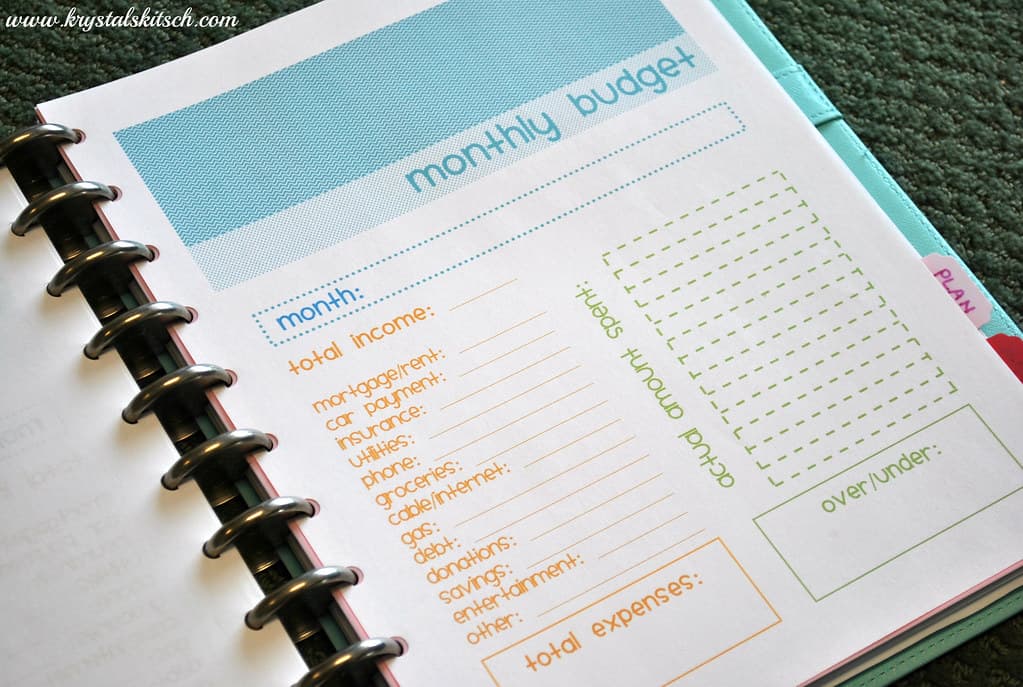
Working from a monthly budget checklist helps you sidestep most of these from the very first month.
One honest caveat
When to be careful
If your budget keeps failing even after you've fixed all of this, the problem may not be the budget at all — it may be that your essential costs are simply larger than your income, and no amount of clever planning fixes that. If that's where you are, look at the bigger picture and any support you can reach. This article is educational only and isn't personalised financial advice.
Questions people actually ask
Why does my budget always fall apart by week two?
Usually because it was built on numbers that were never realistic — gross pay, or no fun money, or last month's good intentions. Anchor it to your real income and real habits and it gets a lot easier to keep.
Is it bad to change my budget mid-month?
Not at all. Shifting money between categories as life happens is the budget doing its job, not breaking. Rigidity is the thing that snaps.
How do I handle a bill that only comes once a year?
Divide it by twelve and tuck that small amount away each month. By the time the bill lands, the money's already sitting there waiting for it.
Where to go next
Most budget failures come down to a few avoidable faults, not a shortage of willpower. Real numbers, room for the irregular and the fun, and adjusting without the guilt — that's most of it. To start from a plan that already dodges these traps, see the beginner monthly budget plan, or find more in Budgeting.
The BudgetCalm Editorial Team creates beginner-friendly educational guides about everyday money saving, budgeting, frugal living, and simple household financial habits. Our content avoids risky financial advice and focuses on practical, everyday decisions.
Last updated: June 22, 2026
Disclaimer: This content is for educational and informational purposes only and does not constitute financial advice. Always consult a qualified financial professional before making financial decisions.
Related guides

Keep exploring
These internal links help visitors move from one useful page to the next.
Get the free beginner budget checklist
A simple printable checklist to help you track spending, plan bills, and start saving without stress.
No spam. Educational money-saving tips only.