
13 Easy Ways to Stop Wasting Food at Home (Cut Your Grocery Bill)
Practical ways to stop wasting food at home, from smarter storage to using leftovers, so you can lower your grocery bill and bin less food.
By BudgetCalm Editorial Team · Updated June 22, 2026 · 6 min read
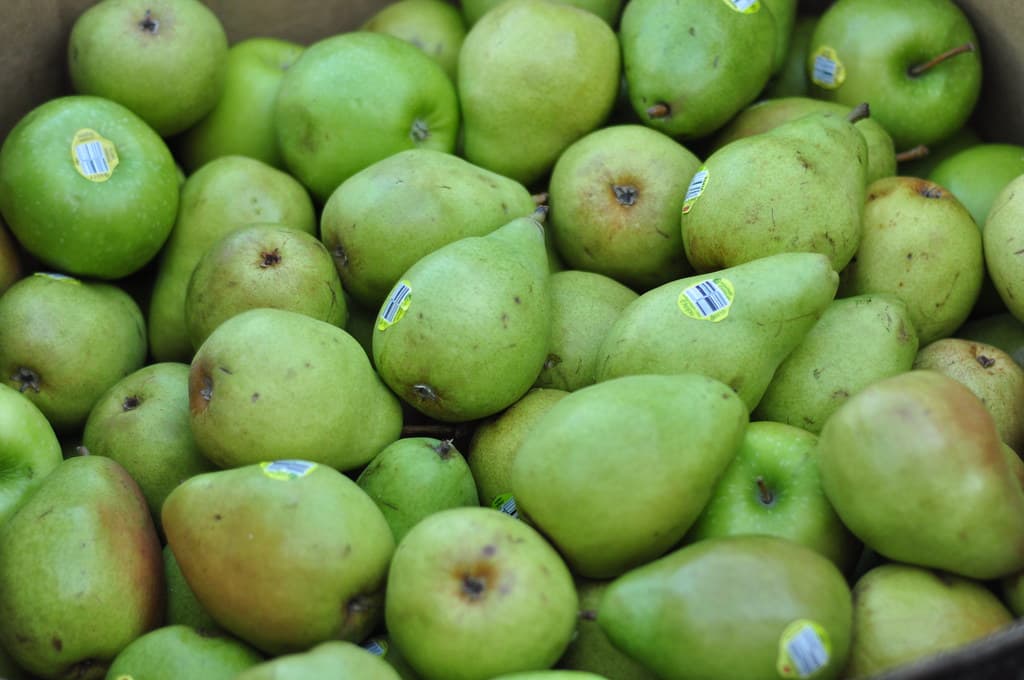
Every bag of food in your bin is money you already handed over, now sitting under the coffee grounds. And most of us waste far more than we'd ever admit — the bag of salad that turned to soup, the half-loaf gone hard, the leftovers that quietly aged at the back of the fridge until they had to go. The reassuring bit: wasting less isn't a system or a set of rules. It's a handful of small habits that mostly come down to noticing what you've actually got.
The short version
Buy what you'll realistically get through, store things where you can see them, and treat leftovers as a plan rather than an accident. Keep the older stuff at the front, freeze anything you won't reach in time, and pencil in a "use it up" meal or two each week. None of it is dramatic, but together it shrinks both your bin and your shopping bill.
It mostly starts in the shop
Waste rarely begins in the fridge — it begins the moment you over-buy. Get fresh produce in amounts you can genuinely finish before it turns, and lean on frozen for the things you only use now and then. If you're cooking for one or two, those family-size fresh packs are a trap: they look like value right up until half of it ends up binned. Buying a little less of whatever spoils fastest is the single simplest fix there is.
If you can't see it, you won't eat it
Out of sight really does mean out of mind, and the back of the fridge is where good food goes to be forgotten. So bring the older items to the front, keep leftovers in plain view instead of buried behind the condiments, and group similar things together so you're not rediscovering a yoghurt three weeks too late. The more visible your food is, the more likely you are to actually use it.
Make leftovers and the freezer do the work
Set aside one meal a week whose whole job is mopping up the odds and ends — a soup, a stir-fry, a pasta bake will take almost anything. And use the freezer properly: bread, cooked portions, produce you know you won't get to. Once you start thinking of leftovers as a meal you've already half-made, rather than a sad afterthought, they quietly knock items off next week's list.
A week, with rough numbers
Real-life example
Picture a household binning a fair bit each week on a roughly £100 shop. They start buying smaller amounts of fresh produce, keep one "use it up" night a week, and freeze leftovers and the end of the loaf. The waste drops off sharply and the weekly shop settles around £80 — not from buying cheaper, but from finally eating what they bought. Rounded, illustrative numbers, and yours will differ, but the link between less waste and a lower bill is real enough.
Where the food quietly goes off
- Over-buying fresh. It turns faster than anyone expects, especially salad and soft fruit.
- Burying leftovers. Hidden at the back, they're as good as binned already.
- Never freezing a thing. The freezer is the easiest waste-stopper you own.
- Ignoring dates at the till. Shop with a rough plan to eat the soonest-to-expire first.
For where the rest of the money leaks at the till, the grocery shopping mistakes guide covers it.
Your one-page plan
Simple checklist
Want a copy for the fridge door? Grab the grocery savings checklist.
One honest caveat
When to be careful
Wasting less should never tip into eating something that's genuinely off. If you're not sure whether food has spoiled, trust the use-by dates and basic food-safety guidance rather than risking a dodgy stomach to save a few pence. The aim is to use good food well — not to push it past the point where it's safe to eat.
Questions people actually ask
How much money can reducing food waste save?
It depends on the household, so take any specific figure as an example rather than a promise. Plenty of people find that simply eating what they buy makes a clear dent in the weekly shop.
Is it safe to freeze leftovers?
A lot of cooked meals freeze fine once cooled and stored properly. Follow the usual food-safety guidance for cooling, storing, and reheating — particularly with meat and rice, which are less forgiving.
What is the easiest first step?
Buying smaller amounts of fresh produce and keeping one "use it up" meal a week. It's a small change that tends to cut waste surprisingly quickly.
Where to go next
Wasting less food is about as direct as money-saving gets, because you're simply using what you already paid for. Buy realistic amounts, keep food in view, plan for the leftovers. To shop smarter from the off, see how to save money on groceries and how to meal plan on a small budget, or browse more in Money Saving.
The BudgetCalm Editorial Team creates beginner-friendly educational guides about everyday money saving, budgeting, frugal living, and simple household financial habits. Our content avoids risky financial advice and focuses on practical, everyday decisions.
Last updated: June 22, 2026
Disclaimer: This content is for educational and informational purposes only and does not constitute financial advice. Always consult a qualified financial professional before making financial decisions.
Related guides



Keep exploring
These internal links help visitors move from one useful page to the next.
Get the free beginner budget checklist
A simple printable checklist to help you track spending, plan bills, and start saving without stress.
No spam. Educational money-saving tips only.