How to Meal Plan on a Small Budget (Cut Food Costs and Waste)
Learn how to meal plan on a small budget with simple steps, cheap staples, and a repeatable system that can reduce food spending and waste.
By BudgetCalm Editorial Team · Updated June 22, 2026 · 6 min read
"Meal planning" sounds like something organised people do with laminated charts. Strip away the aesthetic and it's just one small decision: figuring out what you'll eat before you shop instead of standing in the kitchen at 6pm with no idea. On a tight budget that single habit pulls a surprising amount of weight — it kills impulse buys, cuts waste, and removes the pricey "let's just order something" reflex.
A 15-minute version that actually sticks
Forget planning every breakfast, lunch, and dinner for a fortnight. Pick five dinners. That's the whole job. Five dinners covers most weeknights, leaves room for leftovers and the odd lazy night, and takes about fifteen minutes to sort. Anything more ambitious than that tends to get abandoned, and an abandoned plan saves nobody any money.
Build around cheap staples you already like
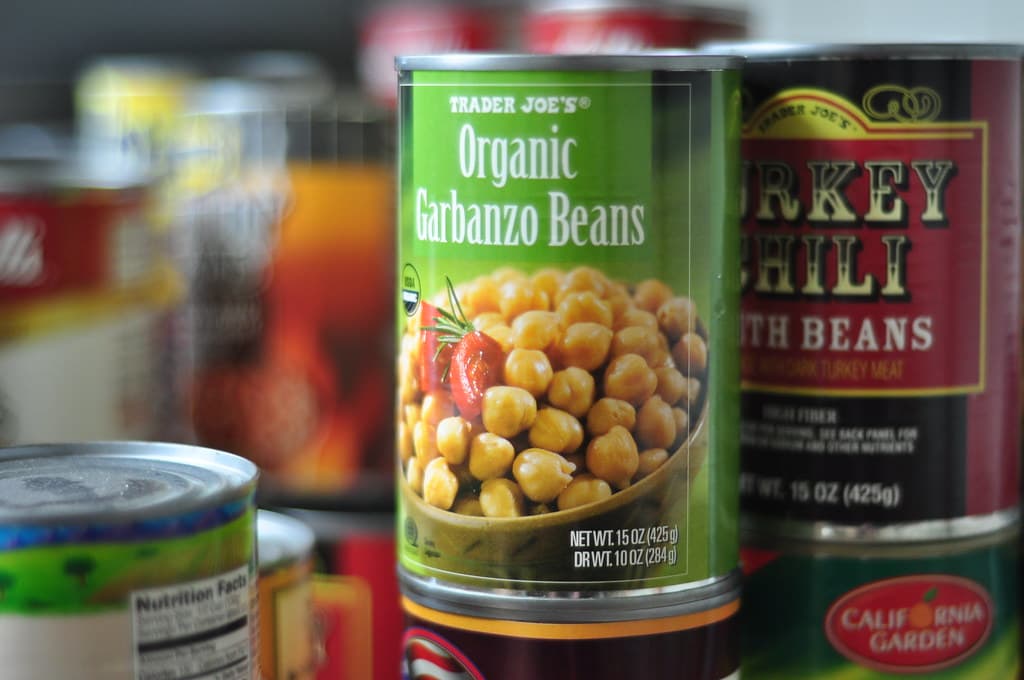
The cheapest meal plans lean on a short list of inexpensive, filling basics and rotate them: rice, pasta, oats, eggs, tinned beans and tomatoes, frozen veg, potatoes, lentils, whatever's in season. You're not eating the same thing every night — you're using the same affordable building blocks in different combinations. A pantry built on these is the backbone of any cheap grocery list for one person.
Let your kitchen pick the first two meals
Before you plan anything new, check what's already in the cupboards and freezer and build a meal or two around it — starting with whatever's closest to its use-by date. It's the simplest way to stop throwing food away, and it means you're buying less from scratch.
Plan one "clear-out" meal a week
Pick one night for a meal designed to use up odds and ends — fried rice, a soup, a pasta bake, a curry, a frittata. These are forgiving recipes that happily absorb half a pepper, a handful of spinach going limp, or the last of the rice. One of these a week noticeably trims waste.
What a week can look like
Real-life example
A rough five-dinner week: pasta with tinned tomatoes and frozen veg; rice and beans with whatever spice you like; baked potatoes with a couple of toppings; an egg-and-veg fry-up; and a Friday "clear-out" soup using up the week's leftovers. Built mostly from staples, a week like this might land somewhere around £20–£30 of ingredients for one person — an illustrative range, since prices vary by area and what you already own.
Easy ways it goes wrong
- Planning meals with no shared ingredients, so nothing gets used twice.
- Choosing recipes with long lists of one-off spices or sauces you'll use once.
- Forgetting to actually shop the plan and drifting back to daily top-up trips.
- Over-planning every meal, then quitting by midweek.
Your simple meal-plan routine
Simple checklist
If you want it on paper, the grocery savings checklist pairs nicely with a five-dinner plan.
A quick caution
When to be careful
Cheap and filling still has to mean fed properly. Build in fruit, veg, and protein you can afford rather than cutting meals to hit a number — especially if you're cooking for children or managing a health condition. The aim is a lower bill, not an empty plate.
Questions people actually ask
How many meals should I plan?
Five dinners is the sweet spot for most people. It covers the week without being so rigid that you give up.
What if my plans keep failing?
Make them lazier. Most failed meal plans are just too ambitious — swap a fiddly recipe for beans on toast and you'll actually follow it.
Does meal planning really save money?
It's one of the most reliable food-saving habits there is, mostly because it prevents impulse buys and waste. How much you save depends on your starting habits.
Next step
Get one five-dinner week under your belt before you try anything fancier. When it feels routine, fold it into a proper weekly food budget, revisit the grocery-saving basics, or browse more in Money Saving.
The BudgetCalm Editorial Team creates beginner-friendly educational guides about everyday money saving, budgeting, frugal living, and simple household financial habits. Our content avoids risky financial advice and focuses on practical, everyday decisions.
Last updated: June 22, 2026
Disclaimer: This content is for educational and informational purposes only and does not constitute financial advice. Always consult a qualified financial professional before making financial decisions.
Related guides


Keep exploring
These internal links help visitors move from one useful page to the next.
Get the free beginner budget checklist
A simple printable checklist to help you track spending, plan bills, and start saving without stress.
No spam. Educational money-saving tips only.