How to Create a Simple Cash Envelope System (Stop Overspending Today)
A beginner guide to the cash envelope system that can help you control spending by using physical cash for flexible categories like food and fun.
By BudgetCalm Editorial Team · Updated June 22, 2026 · 6 min read
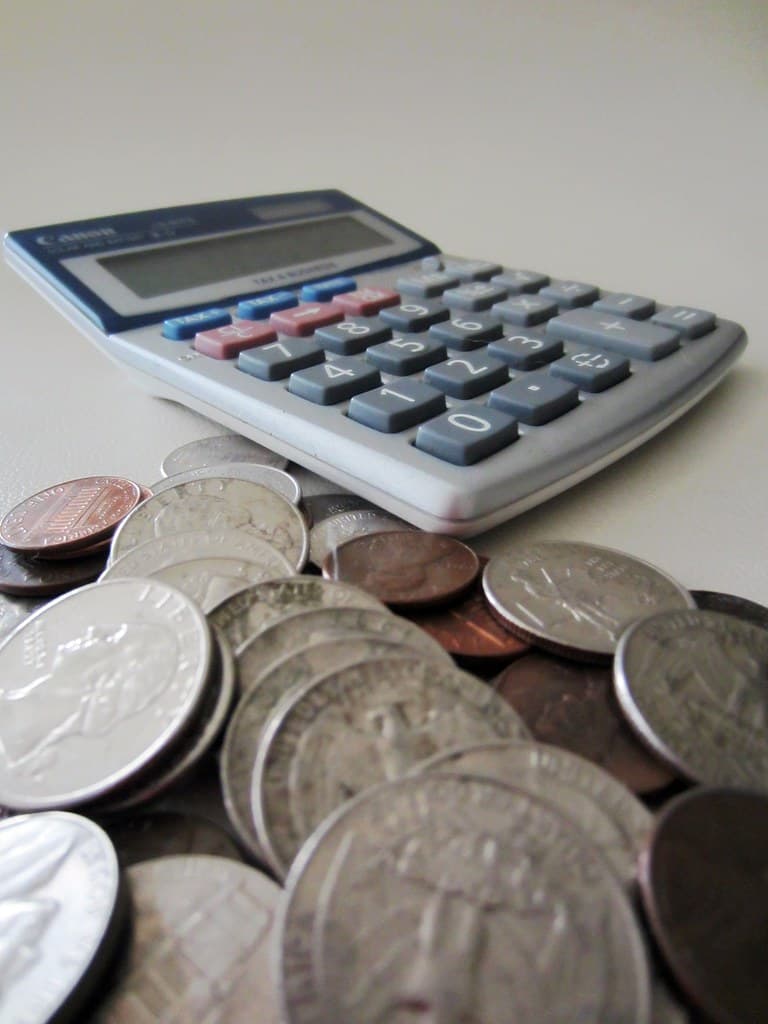
A card hides the damage. You tap, the number on the screen ticks up somewhere out of sight, and by the end of the month you're staring at a total wondering where it went. Cash doesn't let you do that. The envelope method is one of the oldest budgeting tricks going, and it survives for one stubborn reason: when the notes in the envelope are gone, that's the end of it. No overdraft, no "I'll sort it later." For anyone whose card runs away with them, it can be a properly calm reset.
The idea in one line
Take a handful of categories that tend to get away from you, put real cash in a labelled envelope for each, and spend only from that envelope. When it's empty, you're done in that category until the next refill. Watching the notes actually leave your hand does something a falling app balance never quite manages — though it works best for flexible spending, not the fixed bills that pay themselves.
Why cash bites when cards don't
Tapping a card is frictionless, which is exactly the problem. There's no moment where you feel the money go. The total just quietly climbs. Hand over a tenner from an envelope with three notes left in it and you feel it — you can see the limit shrinking in front of you. That visibility is the whole point. It turns a budget from an abstract figure on a screen into something you can hold and count, and for the categories where you tend to slip, that's usually enough to slow the slipping.
Pick the categories that get away from you
Don't bother enveloping everything. Choose the flexible spending that tends to overshoot — groceries, eating out, a bit of fun, transport. Those are the ones where seeing a hard limit helps. Leave rent, utilities, and anything on direct debit where they are, in the bank, paying themselves on schedule. Cash for those would just be faff.
Decide the amounts, then fill the envelopes
Set a realistic figure for each category, for the week or the month, whatever matches how you're paid. Then withdraw that cash and split it into clearly labelled envelopes. Realistic is the word that matters here — set it too lean and you'll spend the month robbing one envelope to feed another, which rather defeats the object. Refill on a fixed schedule, payday being the obvious one.
Spend from the envelope, and only the envelope
Buying something in a category? Pay from its envelope. When that envelope's empty, that category is finished until you refill — that's the discipline doing its job. If one runs short you can move cash across from another, but make it a deliberate decision, not a reflex. The moment borrowing becomes a habit, your amounts are telling you something.
A real week, with rough numbers
Real-life example
Say someone keeps overspending on food and going out. They set up three envelopes for the week: £80 for groceries, £40 for eating out, £30 for fun. By Wednesday the eating-out envelope is nearly empty, so rather than raid the grocery cash they just cook at home for the rest of the week. They finish with £10 left in fun and tip it into savings. Rounded, made-up figures — yours will look different — but the visible limit is what's doing the work.
Where the system quietly breaks
- Enveloping your fixed bills. Rent and utilities belong in the bank, paying themselves. Cash just adds risk and effort.
- Setting the amounts too low. Starve an envelope and you'll spend the month borrowing between them, which hollows out the whole point.
- Carrying every envelope everywhere. Take only the one you need that day. Lose a wallet stuffed with the lot and that's a bad afternoon.
- Refilling early because you ran out. Topping up the second an envelope empties is just spending with extra steps.
- Never looking at the leftovers. What's left over each period is the system teaching you your real numbers. Ignore it and you learn nothing.
Your one-page envelope plan
Simple checklist
Pair it with a weekly spending review template to keep an eye on what's left.
One honest caveat
When to be careful
Cash carries a small risk of loss or theft, so only ever carry what you need for the day. And the method struggles if most of your spending happens online — envelopes are stubbornly physical things. This is general educational content, not personal financial advice.
Questions people actually ask
Which categories work best for envelopes?
The flexible ones where you tend to overspend — groceries, eating out, fun, transport. Fixed bills are better left in the bank to pay themselves automatically.
What if I run out of cash in one envelope?
You can shift cash from another, as long as it's a deliberate choice. But if you're doing it constantly, that's a clear sign your amounts need adjusting at the next refill.
Can I use the envelope system for online shopping?
It's harder, since envelopes are physical things. Some people keep a "digital envelope" instead — a set amount for online categories, tracked on paper rather than in cash.
Start with a couple of envelopes
The envelope method makes spending visible and gives your loosest categories a firm, physical limit. Pick a few, fill them, stop when they're empty. To slot it into a fuller plan, start with the beginner monthly budget plan, or find more ideas in Budgeting.
The BudgetCalm Editorial Team creates beginner-friendly educational guides about everyday money saving, budgeting, frugal living, and simple household financial habits. Our content avoids risky financial advice and focuses on practical, everyday decisions.
Last updated: June 22, 2026
Disclaimer: This content is for educational and informational purposes only and does not constitute financial advice. Always consult a qualified financial professional before making financial decisions.
Related guides

Keep exploring
These internal links help visitors move from one useful page to the next.
Get the free beginner budget checklist
A simple printable checklist to help you track spending, plan bills, and start saving without stress.
No spam. Educational money-saving tips only.