UK Back to School Budget 2026: Save £200 on School Supplies
A warm, practical UK guide to back to school shopping in 2026 — slash uniform, supplies and lunch costs, and save around £200 per child without the stress.
By BudgetCalm Editorial Team · Updated June 22, 2026 · Last reviewed June 21, 2026 · 9 min read
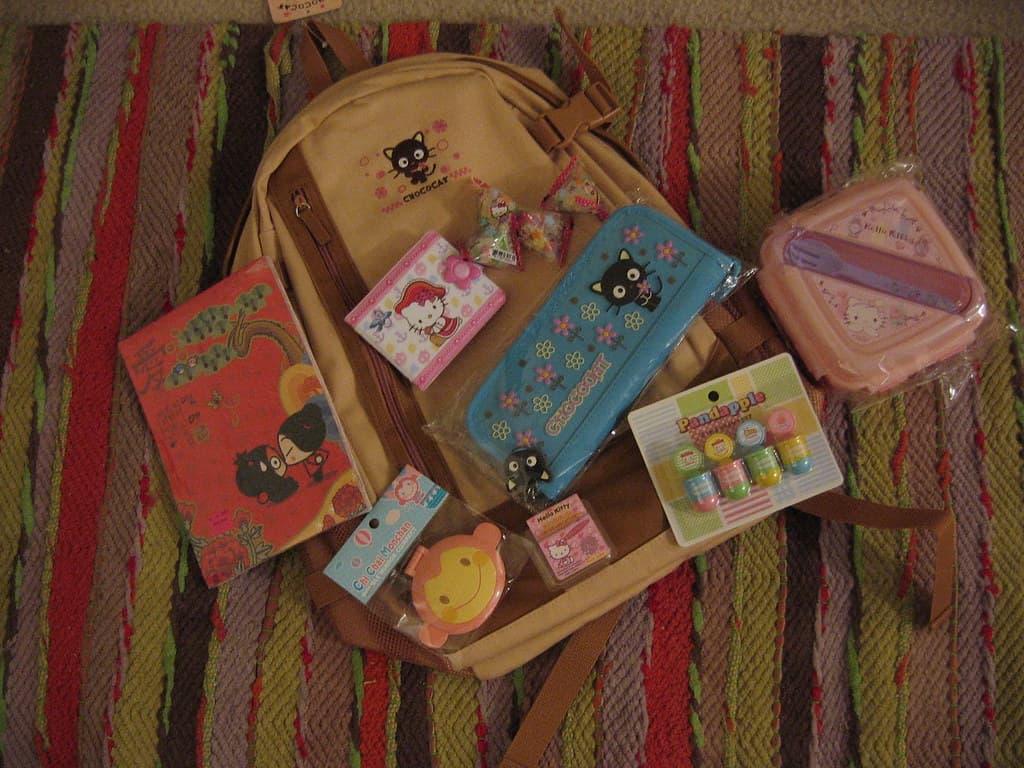
If the back to school shop fills you with a quiet sense of dread every Autumn, you are in very good company. Between uniform, shoes, a PE kit, a bag full of stationery and the constant "everyone else has one" requests, the costs creep up fast. The good news is that with a little planning you can comfortably trim around £200 off the bill per child this year — and nobody, least of all your little one, has to feel like they are going without. Let's walk through it together, calmly.
Average UK Back to School Costs 2026 (and where the money goes)
It helps to see the whole picture before you panic about any single item. Here is a realistic breakdown of what a typical UK family spends per primary or secondary school child if they buy everything brand new at full price.
| Item | Typical full-price cost | Budget-friendly cost | | --- | --- | --- | | Uniform (jumpers, polos, trousers/skirts) | £75 | £25 | | School shoes | £40 | £18 | | PE kit (top, shorts, trainers) | £45 | £20 | | Coat | £30 | £12 | | School bag | £20 | £6 | | Stationery and supplies | £25 | £10 | | Lunch (per term, packed) | £90 | £55 | | Total | £325 | £146 |
As you can see, buying smart rather than buying new can save you roughly £180 to £200 per child. For a family with two children, that is comfortably £400 staying in your pocket. None of this requires extreme penny-pinching — just knowing where to look.
Why costs jump in secondary school
Secondary school usually means branded blazers, ties and logo jumpers, plus pricier shoes for bigger feet. A branded blazer alone can be £30 to £45. We will cover how to soften that blow with pre-loved options further down, so don't let those numbers scare you.
UK School Uniform Budget Guide
Uniform is where most families overspend, simply because the school shop or a high-street brand feels like the "proper" place to buy. In reality, supermarket ranges are excellent quality and a fraction of the price.
Supermarket uniform ranges
The big supermarkets release their school ranges from late June through August, and prices in 2026 remain genuinely low:
- Aldi runs its famous uniform bundle (jumper, two polos and trousers or a skirt) for around £5 for the whole set. It sells out fast, so set a reminder for the launch date.
- Tesco F&F offers two-packs of polo shirts from about £3.50 and trousers from £6.
- Asda George does a full uniform bundle from roughly £6 and is known for hard-wearing fabric.
- Lidl offers similar bundles to Aldi at comparable prices when in season.
- Primark is brilliant for plain basics — polos from £2.50 and trousers from £5 — and stays stocked later into Autumn than the supermarkets.
- Marks & Spencer sits slightly higher but its trousers and pinafores are famously durable, so for a child who is tough on clothes, the £9 to £12 outlay can work out cheaper over the year.
Buy logo items separately
Many schools only insist on a logo on the jumper or blazer. Buy that one official item from the school supplier, then fill the rest of the wardrobe with plain supermarket basics. A single logo jumper at £11 paired with three plain £4 jumpers from Tesco beats four logo jumpers at £11 each — that is a £21 saving on jumpers alone.
Real-life example
Sarah from Leeds needed uniform for her two boys. Instead of the school shop, she bought two Aldi bundles at £5 each (£10), four plain Primark polos at £2.50 (£10), and just two official logo jumpers at £11 (£22). Her total came to £42 for both children, against an estimated £150 at the school's recommended supplier — a saving of over £100 in one shop.
Stationery and Supplies UK Budget
Stationery is the sneaky one. A pencil case, pens, pencils, a ruler, a calculator and a few highlighters can quietly hit £25 if bought from a stationery shop. You can do the same haul for around £10.
- Poundland and B&M stock pens, pencils, rulers, glue sticks and exercise books from £1 or less.
- A scientific calculator (often required for secondary maths) is around £8 to £10 at B&M or Amazon UK, versus £15 at a stationery chain.
- Buy in multipacks: a 20-pack of biros for £1.50 lasts the whole year rather than buying singles.
- Check the cupboard first. Half-used pencil cases from last year are perfectly fine — reusing what you have is the easiest saving of all.
If you want a simple way to set a firm limit for this shop before you go in, the free budgeting tools at BudgetCalm can help you map out a per-child spending cap so the trolley total never surprises you at the till.
Best UK Stores for Back to School Shopping
Different shops win for different items. Here is a quick comparison to help you plan a single, efficient trip.
| Store | Best for | Why | | --- | --- | --- | | Aldi / Lidl | Full uniform bundles | Cheapest sets at around £5, great quality | | Tesco / Asda | Polos, trousers, coats | Reliable basics, frequent multipacks | | Primark | Plain basics, restocks | Low prices and stays in stock into Autumn | | Poundland | Stationery, lunchboxes | Almost everything £1 or under | | B&M | Bags, calculators, supplies | Bigger items cheaper than the high street | | M&S | Durable trousers, shoes | Lasts longer, good for hard wearers |
A smart route is one supermarket sweep for uniform, then a Poundland or B&M stop for everything else. You rarely need a specialist shop at all.
15 Ways British Mums Save on Back to School
Here are fifteen tried-and-tested tactics from parents up and down the country, in the order most worth doing them:
- Shop the Aldi and Lidl uniform launches the moment they go live.
- Buy plain basics and only one or two official logo items.
- Size up by one — clothes last the whole year as children grow.
- Check the loft or wardrobe for last year's reusable stationery first.
- Join your school's second-hand uniform sale (more on this below).
- Use cashback apps like Quidco or TopCashback for online orders.
- Stack supermarket loyalty points (Tesco Clubcard, Nectar) on the shop.
- Buy shoes at the end of August when many stores discount last season's stock.
- Choose dark, hard-wearing trousers that hide stains and last longer.
- Split the cost across two pay-days rather than one big August hit.
- Pack lunches instead of paying £2.40 a day for school dinners where possible.
- Set up a small "uniform pot" and add £5 a month all year.
- Buy multipacks of socks and pants rather than singles.
- Sell outgrown uniform on Vinted to fund the next size up.
- Avoid mid-Autumn top-ups by buying a spare jumper now while ranges are full.
Packing lunches is one of the biggest ongoing wins, and it overlaps neatly with our wider tips on how to save money on groceries — a £1 sandwich, fruit and a homemade snack costs far less than the canteen. For the bigger picture on trimming household outgoings, our guide to how to reduce monthly expenses without stress pairs well with everything here.
UK Free School Meals — Who Qualifies?
Free school meals are a genuine lifeline and many eligible families never claim them. In England, you usually qualify if you receive certain benefits such as Universal Credit (with a household income below the relevant threshold), Income Support, or income-based Jobseeker's Allowance. All infant pupils in Reception, Year 1 and Year 2 in England get free meals automatically through Universal Infant Free School Meals, regardless of income.
Pupil Premium
If your child qualifies for free school meals based on income, the school also receives Pupil Premium funding (around £1,480 per eligible primary pupil per year). Even if your child currently takes a packed lunch, it is worth registering for free school meals so the school receives this extra money, which often funds trips, clubs and resources. Always check your local council's website, as thresholds and rules vary slightly across England, Scotland, Wales and Northern Ireland.
When to be careful
Registering for free school meals does not affect your other benefits and is completely confidential — no other child or parent will know. If you are unsure whether you qualify, your school office or local council can check for you in minutes. It is always worth asking.
Pre-loved Uniform Tips
Second-hand uniform is the single biggest money-saver, especially for pricey branded blazers and jumpers that children outgrow in a year.
- School PTA sales: Most schools run a second-hand uniform sale near term-start. Logo blazers that cost £40 new often sell for £3 to £5 here.
- Vinted and eBay: Search your school's name plus "uniform" — parents regularly list outgrown, barely-worn logo items for a few pounds.
- Uniform swap schemes: Many councils and community groups run free swap shops; you simply take what fits and donate what doesn't.
- Facebook local groups: Town and village groups often have a steady flow of free or cheap uniform offered between neighbours.
Buying pre-loved isn't only kind to your wallet — it is gentler on the planet, and there is real comfort in knowing a perfectly good £40 blazer found a second home for £4. If this is part of a wider effort to spend more mindfully, you may enjoy our collection of frugal living tips that actually work to keep the savings going long after term begins.
Take it one item at a time, start early, and remember that a child genuinely does not notice whether their polo shirt came from the school shop or Aldi. You have got this.
Get the free beginner budget checklist
A simple printable checklist to help you track spending, plan bills, and start saving without stress.
No spam. Educational money-saving tips only.
The BudgetCalm Editorial Team creates beginner-friendly educational guides about everyday money saving, budgeting, frugal living, and simple household financial habits. Our content avoids risky financial advice and focuses on practical, everyday decisions.
Last updated: June 22, 2026
Disclaimer: This content is for educational and informational purposes only and does not constitute financial advice. Always consult a qualified financial professional before making financial decisions.
Related guides
Keep exploring
These internal links help visitors move from one useful page to the next.
Get the free beginner budget checklist
A simple printable checklist to help you track spending, plan bills, and start saving without stress.
No spam. Educational money-saving tips only.