No-Spend Weekend Planner for Beginners (Free Printable to Stop Overspending)
Plan a fun, restful no-spend weekend with this simple planner approach and free printable that helps beginners avoid weekend overspending.
By BudgetCalm Editorial Team · Updated June 22, 2026 · 6 min read
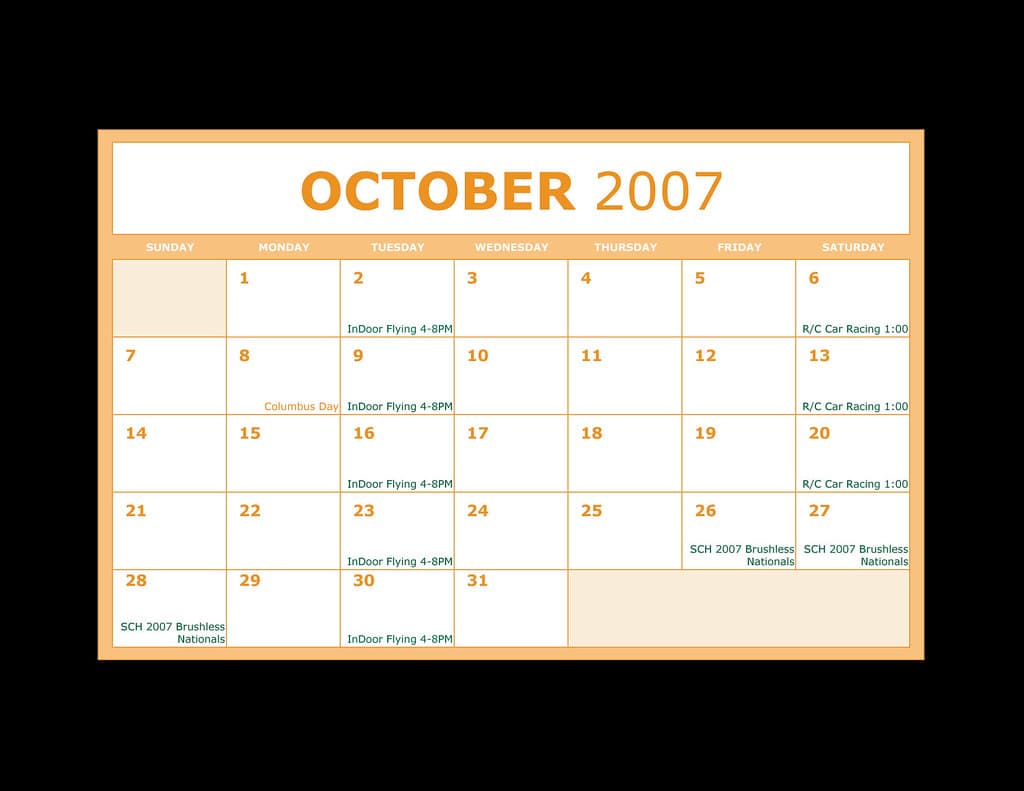
A no-spend weekend is far easier to actually pull off when you've planned it. Leave it to chance and boredom creeps in, and spending follows boredom around like a shadow. A simple planner hands your two days a shape — activities picked, meals sorted, the free options lined up and ready. Here's how to use one so the weekend feels full and deliberate rather than like an exercise in going without. There's a free version linked further down.
The short version
A planner gets your free activities and cupboard meals down on paper before the weekend starts, so you never hit that bored, hungry, what-now moment where spending happens. Mix something restful with something active, note the meals you'll make from what you've already got, and list a few free things nearby. Filling it in ahead of time is the whole trick. What you save depends on how your weekends usually run.
It suits anyone who wants a low-effort, structured way to stop the weekend draining their account — living alone, sharing with flatmates, or with a family in tow, it works the same. No frugal track record needed. Weekend spending is sneaky precisely because it repeats every single week: a couple of coffees, one casual outing, a takeaway on Saturday night, and it's a standing line in your budget you never quite see.
Fill it in the day before
On Friday, write down three or four things split between restful and active — a walk, a film night in, a project you've been circling. With the choices already sitting there, you reach for a planned idea when free time opens up, rather than reaching for your card.
Plan the meals from your own cupboards
Note what you'll actually cook using the food already in the fridge and the cupboards. This is where a good chunk of the weekend saving lives, because it heads off the easy Saturday-night slide into a takeaway before it starts.
Add the free options and a nudge or two
Jot down what's free nearby — a park, the library, a community event — plus any small reminders to yourself, like keeping cards out of easy reach. A plan with the gaps already filled leaves very little room for accidental spending.
A real weekend, with rough numbers
Real-life example
Picture someone who usually spends about £75 over a weekend on coffees, lunch out, and a small trip round the shops. They fill in a no-spend weekend planner instead: a morning walk, a cupboard pasta night, a borrowed library book, and a games evening at a friend's. Weekend spending drops to roughly zero, keeping around £75 in their pocket. Rounded, illustrative figures — what you save will track your own habits.
Where good intentions wobble
- Filling it in too late. Plan on Friday, not Saturday morning once the boredom's already arrived.
- Listing activities but not meals. Unplanned meals lead straight to a takeaway.
- Skipping the free local stuff. Most areas have more going on for nothing than people assume.
- No restful options at all. A weekend of pure chores won't feel like any kind of break.
- Leaving out the people you live with. A shared plan is a far easier one to keep.
For a full bank of things to fill it with, see no-spend weekend ideas.
Your one-page weekend plan
Simple checklist
You can download and print the full version from the no-spend weekend planner.
One honest caveat
When to be careful
A no-spend weekend planner is for the optional spending only. Never skip genuine needs — medication, safe travel, the food your household actually requires. If money is very tight, put the essentials first and treat the planner as a friendly guide rather than a rule to enforce. The aim is a calmer, more enjoyable weekend, not one more thing weighing on you.
Questions people actually ask
How far ahead should I fill it in?
The day before tends to work best — Friday, for a weekend. Plan much further out and it starts to feel rigid; plan on the morning itself and it's often too late to head off the spending.
What if my plans change?
Treat the whole thing as loose. Swap activities around as much as you like, as long as they stay free or cheap. The point is simply to always have a ready alternative to spending.
Can I use it for just one no-spend day?
Yes, easily. The same approach scales down — fill in activities and meals for the single day and keep your free options to hand.
Where to go next
A planner works because it swaps boredom for ready-made plans. Fill it in early, build the meals around your cupboards, and keep a couple of free options nearby. For a longer commitment, read how to start a no-spend challenge, or for more to fill the days with, see how to have fun without spending much. More in Frugal Living.
The BudgetCalm Editorial Team creates beginner-friendly educational guides about everyday money saving, budgeting, frugal living, and simple household financial habits. Our content avoids risky financial advice and focuses on practical, everyday decisions.
Last updated: June 22, 2026
Disclaimer: This content is for educational and informational purposes only and does not constitute financial advice. Always consult a qualified financial professional before making financial decisions.
Related guides

Keep exploring
These internal links help visitors move from one useful page to the next.
Get the free beginner budget checklist
A simple printable checklist to help you track spending, plan bills, and start saving without stress.
No spam. Educational money-saving tips only.