How to Beat Grocery Inflation 2026: 20 Hacks That Work Right Now
Grocery prices are still high in 2026, but you can fight back. Here are 20 proven hacks for the USA, UK, and Canada to save $150-300 a month right now.
By BudgetCalm Editorial Team · Updated June 22, 2026 · Last reviewed June 21, 2026 · 9 min read
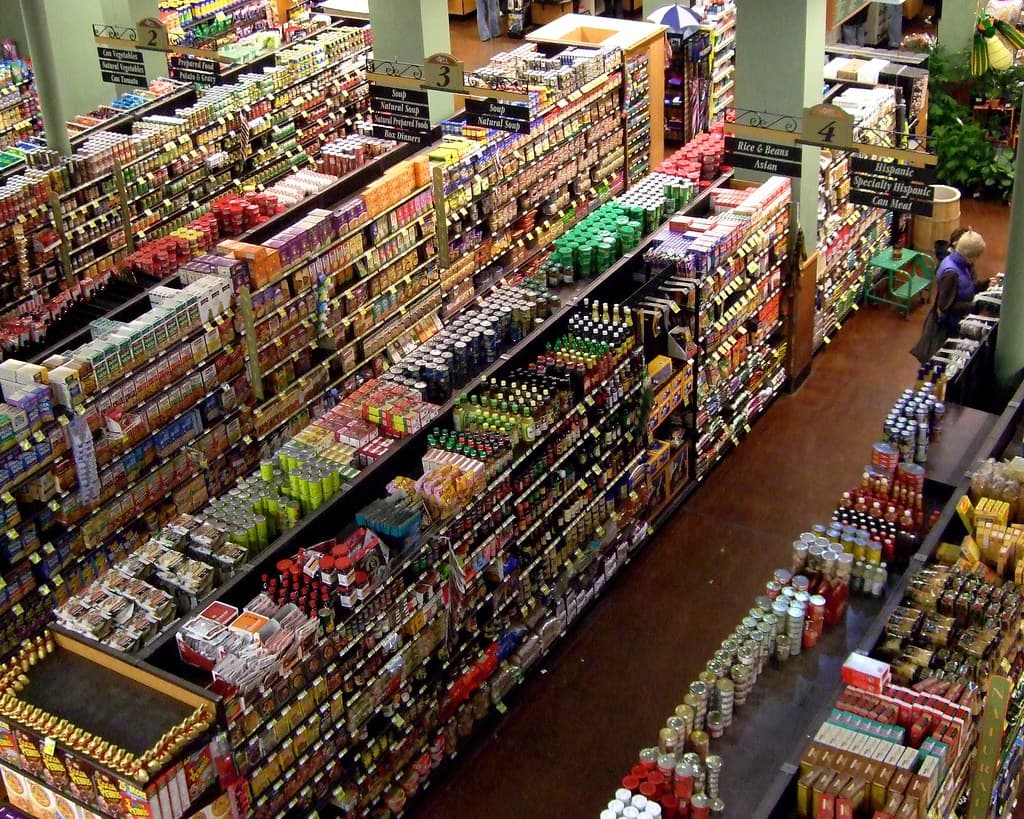
If your grocery bill makes you wince at the checkout these days, you are not imagining things and you are certainly not bad with money. Food prices have climbed hard over the last few years, and even though the worst of the panic has passed, 2026 prices are still noticeably higher than they were. The good news is that there are real, practical ways to fight back. This guide gives you 20 hacks that genuinely work, plus a sense of what is happening with prices in the USA, UK, and Canada so you know you are not alone.
Let me explain one term first so nothing here feels confusing. Inflation simply means prices going up over time, so your money buys less than it used to. Grocery inflation is just that, but for food and household basics. When we say prices are "high," we mean compared to a few years ago, not that they are still rising fast every month.
Grocery Inflation by the Numbers 2026 (USA, UK, Canada compared)
Here is roughly where food prices sit in 2026 compared to before the big increases. These are everyday-shopper figures, not official statistics, but they reflect what people are actually seeing on shelves.
| Market | Currency & main stores | Rough food price rise since 2021 | What a basic weekly shop costs now (1 person) | |---|---|---|---| | USA | $ — Walmart, Aldi, Kroger | About 25-30% higher | $75-95 | | UK | £ — Tesco, Aldi, Lidl | About 30-35% higher | £45-60 | | Canada | C$ — No Frills, Superstore, Walmart | About 25-30% higher | C$90-115 |
What that means in real terms
- A dozen eggs that cost around $2.00 / £1.20 / C$3.00 in 2021 now often runs $3.50 / £2.50 / C$4.50.
- A loaf of basic bread has gone from roughly $1.50 / £0.90 / C$2.00 to $2.50 / £1.40 / C$3.00.
- A block of cheddar that was $4.00 / £2.50 / C$5.00 now lands closer to $6.00 / £4.00 / C$7.50.
These small jumps add up. For a family of four, the gap between a 2021 shop and a 2026 shop can easily be $150-300 (£120-240 / C$200-380) more per month for the same trolley of food.
Why Prices Are Still High in 2026
Prices rose fast a few years ago, and here is the part that surprises people: even when inflation slows down, prices usually do not fall back. They just stop climbing as quickly. So the new, higher level becomes the normal level.
The main reasons groceries stayed expensive into 2026:
- Higher costs all along the chain. Farmers, factories, lorry drivers, and shops all pay more for fuel, energy, and wages, and those costs get passed to you.
- Weather and harvest problems. Bad seasons for crops like wheat, coffee, cocoa, and olive oil push specific products up sharply.
- "Shrinkflation." This is when the package gets smaller but the price stays the same, so you quietly pay more per ounce or gram without noticing.
- Brand mark-ups. Big-name brands have raised prices more aggressively than store own-brands, widening the gap between the two.
You cannot control any of this. But you can absolutely control how you shop, and that is where the savings live.
The 20 Anti-Inflation Grocery Hacks
These are grouped so you can tackle one batch at a time. Try five this week, five next week, and so on. Pair these with how to make a grocery budget that works so you can actually see your savings add up.
Hacks 1-5: Smart Shopping Strategy
- Make a list and stick to it. A written list cuts impulse buys, which can be 15-20% of a typical shop. On a $90 trip that is $13-18 saved every single time.
- Never shop hungry. It sounds silly, but shopping on an empty stomach reliably adds $10-15 (£8-12 / C$13-18) of snacks you did not plan for.
- Shop the discount chains. In the USA and Canada, Aldi and Walmart beat most rivals; in the UK, Aldi and Lidl often run 20-30% cheaper than the big supermarkets on a full basket.
- Go once a week, not daily. Each "quick trip" tends to add extras. One planned weekly shop can trim $20-40 (£15-30 / C$25-50) a month.
- Check the price per unit, not the sticker price. Look at the small "price per 100g" or "price per ounce" label on the shelf edge. The bigger pack is not always cheaper, and this is how you spot shrinkflation.
Hacks 6-10: Store Brands and Smart Substitution
- Buy own-brand basics. Swapping name brands for Walmart's Great Value, Tesco/Aldi own labels, or No Frills brands on staples like pasta, rice, tinned tomatoes, and flour saves 25-40%. That is often $30-50 (£25-40 / C$40-65) a month with no real difference in taste.
- Trade down proteins. Swap some beef for chicken thighs, eggs, tinned fish, beans, or lentils. A meal built on lentils can cost under $1.50 (£1.20 / C$2.00) per serving versus $4+ for beef.
- Buy frozen fruit and veg. Frozen is just as nutritious, costs 30-50% less, and never goes off before you use it.
- Choose whole over pre-cut and pre-prepared. A whole chicken, a block of cheese, or a head of lettuce is far cheaper than the sliced, grated, or bagged version. Whole cheese alone can save $2-3 (£1.50-2.50 / C$3-4) per block.
- Embrace "ugly" and reduced-to-clear items. Wonky veg ranges and yellow-sticker discount shelves near closing time can knock 30-70% off perfectly good food.
Hacks 11-15: Cutting Food Waste
The average household throws away a shocking amount of food. Wasting less is the same as a direct pay rise on your grocery budget. For a deeper dive into the items quietly draining your money, read things to stop buying to save money.
- Plan meals around what you already have. "Shop your kitchen" first. Building a week of meals around existing tins and freezer items can save $15-25 (£12-20 / C$20-32) a week.
- Store food properly. Keeping herbs in water, bread in the freezer, and onions out of the fridge can double how long things last.
- Cook once, eat twice. Batch-cooking a big pot of chilli or curry costs about $8-12 (£6-10 / C$11-16) and stretches to 4-6 meals.
- Use your freezer as a savings tool. Freeze leftovers, bread, and bulk-bought meat before it spoils. A standalone freezer pays for itself in months.
- Repurpose "scraps." Vegetable ends become stock, stale bread becomes croutons, and overripe bananas become banana bread. Nothing gets binned.
Hacks 16-20: Technology and Apps
- Use loyalty cards and apps. Tesco Clubcard, Kroger, and PC Optimum (Canada) unlock member-only prices. Tesco Clubcard prices alone can save £5-15 a week for regular shoppers.
- Try cashback and receipt apps. Apps that pay you back for scanning receipts or buying featured items can return $5-20 (£4-15 / C$7-25) a month.
- Set price alerts and compare online. Many UK and Canadian shoppers use comparison sites to find the cheapest basket before leaving home.
- Order online to avoid impulse buys. A click-and-collect or delivery order shows your running total live, which makes overspending much harder.
- Stack your savings. Combine an own-brand product, on a special offer, bought with a loyalty card, with cashback on top. Each layer is small, but together they can cut a single item's cost by half.
Real-life example
Maria in Ohio was spending about $140 a week at her usual supermarket. She switched her main shop to Aldi, moved to Great Value own-brand staples, started a written list, and began batch-cooking on Sundays. Within six weeks her weekly shop dropped to $98, saving roughly $168 a month, around $2,000 a year, without anyone in the house feeling deprived.
Inflation-Proof Foods to Stock Up On
Some foods stay cheap, store for ages, and stretch across many meals. Building your pantry around these protects you when prices spike. These are the items worth buying in slightly larger quantities when they are on offer.
- Dried beans, lentils, and split peas — pennies per serving and packed with protein.
- Rice and pasta — own-brand bags cost $1-2 (£0.50-1.20 / C$1.50-2.50) and last a year.
- Rolled oats — a giant bag of porridge oats gives you breakfasts for weeks at about $0.15 per bowl.
- Tinned tomatoes, beans, and fish — the backbone of dozens of cheap meals.
- Frozen vegetables and frozen meat — bought on offer and frozen, they never go to waste.
- Flour, sugar, and yeast — home-baked bread costs a fraction of shop-bought.
- Eggs — still one of the cheapest proteins per gram in all three markets.
When to be careful
Stocking up only saves money if you actually use what you buy. Buying 20 tins because they were cheap, then letting them sit unused for two years, is not a saving. Only bulk-buy things you genuinely eat and have room to store.
Budget Meals When Prices Are High
Here are meals that feed a family of four for very little, using the cheap staples above. Prices are approximate and vary by market.
| Meal | Rough cost (4 servings) | Per person | |---|---|---| | Lentil and vegetable soup with bread | $5 / £4 / C$6.50 | $1.25 / £1.00 / C$1.65 | | Pasta with tinned tomato sauce | $4 / £3 / C$5 | $1.00 / £0.75 / C$1.25 | | Bean and rice burritos | $6 / £4.50 / C$7.50 | $1.50 / £1.10 / C$1.90 | | Egg fried rice with frozen veg | $5 / £3.50 / C$6 | $1.25 / £0.90 / C$1.50 | | Baked potatoes with beans and cheese | $5 / £4 / C$6.50 | $1.25 / £1.00 / C$1.65 |
A simple weekly rhythm
- Two meatless meals (beans, lentils, eggs) to keep protein costs down.
- One batch-cook day that covers two or three dinners.
- One "use it up" meal built entirely from leftovers and odds and ends.
If you want even more ways to trim the bill, our full guide on how to save money on groceries goes deeper on tactics for every aisle. And when you are ready to put real numbers behind your plan, the free budgeting tools at BudgetCalm can help you set a grocery limit you can actually stick to.
Get the free beginner budget checklist
A simple printable checklist to help you track spending, plan bills, and start saving without stress.
No spam. Educational money-saving tips only.
You do not need to do all 20 hacks at once. Pick three this week, then add more as they become habits. Even a $40 (£30 / C$50) monthly saving is $480 a year back in your pocket, and you are likely to save far more than that. You have got this, one shop at a time.
The BudgetCalm Editorial Team creates beginner-friendly educational guides about everyday money saving, budgeting, frugal living, and simple household financial habits. Our content avoids risky financial advice and focuses on practical, everyday decisions.
Last updated: June 22, 2026
Disclaimer: This content is for educational and informational purposes only and does not constitute financial advice. Always consult a qualified financial professional before making financial decisions.
Related guides
Keep exploring
These internal links help visitors move from one useful page to the next.
Get the free beginner budget checklist
A simple printable checklist to help you track spending, plan bills, and start saving without stress.
No spam. Educational money-saving tips only.